Web Scraping for Retailers: Product Descriptions and Images
Retail catalogs lose value quickly when product content is incomplete, inconsistent, or slow to update. Retailers need structured titles, descriptions, specifications, and images to launch products quickly and keep listings accurate across channels. Web scraping is one of the fastest ways to collect that content when suppliers or marketplaces do not provide it in the format you need.
This is especially useful when building large catalogs, enriching existing listings, or migrating data into a new store or PIM. A focused e-commerce scraping process can capture the exact fields needed for merchandising and conversion.
What can be extracted
Retail content extraction projects often include:
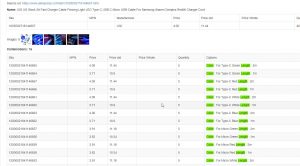
- product titles and short descriptions
- full product-page descriptions and feature bullets
- main image and gallery image URLs
- technical specifications, dimensions, and materials
- brand, SKU, GTIN, and category breadcrumbs
- variant attributes such as size, color, or pack count
That output can support catalog imports, marketplace listing creation, supplier normalization, or content auditing across competing stores.
Why retailers scrape descriptions and images
Many suppliers publish richer content on their websites than they do in downloadable feeds. Others provide image sets or specifications that are incomplete, inconsistent, or poorly structured. Scraping lets retailers capture the live page version of the product detail content and transform it into a more usable dataset.
It is also useful for competitive research. Teams can compare how leading retailers structure descriptions, how many images they use, and which features they emphasize on high-converting pages.
Why cleanup matters after extraction
Raw content almost always needs normalization. Descriptions may contain unnecessary HTML. Images may include multiple size variants. Specifications may use inconsistent units or labels. A good workflow cleans the content and maps it into the target format required by your commerce system.
If you need structured product descriptions, images, or attribute data from supplier or retailer pages, review the source examples in our sites section and contact us via the contact page. We can scope the fields, output format, and update cadence for your catalog project.